
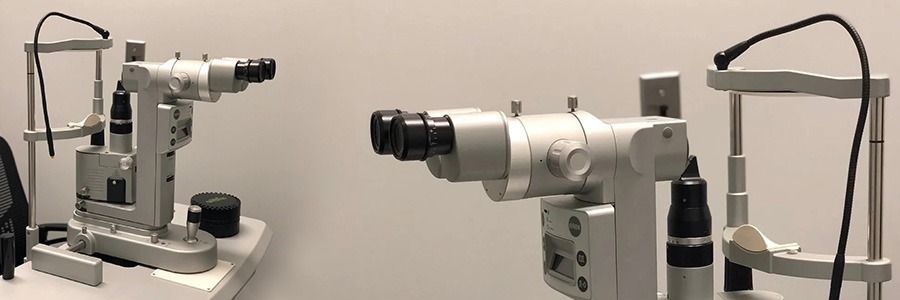

Cloudy Vision after Cataract Surgery?

Dr. Joshua Vrabec, MD • July 11, 2019

Share this article

Have you had cataract surgery in the past, and are now experiencing some of the same symptoms you had prior to surgery? You may be developing a “secondary” cataract, or what we term a posterior capsule opacification (PCO). Anywhere from 30-50% of patients with a history of cataract surgery will go on to develop a PCO, generally 1-5 years after the initial surgery. This is caused by residual lens epithelial cells that remain inside the eye and create a cloudy membrane behind the lens implant. Common symptoms include glare while driving at night, blurred vision, and difficulty reading.

While mild PCOs can be observed, if it is impacting your vision you may be a candidate for laser treatment. This is a straightforward laser procedure that takes less than 5 minutes and can be done right in our office with our Ellex Super-Q YAG Laser. This treatment painlessly modifies the scar tissue that has developed behind your lens implant, and can greatly improve or eliminate the symptoms associated with the secondary cataract.


If you think you may have a secondary cataract and would like a further evaluation for a laser treatment, contact our office today at 248-710-2325.

Recent Posts

Smiling couple hugging outdoors, with a cloudy sky in the background.
By Dr. Joshua Vrabec, MD April 21, 2026
Think your vision changes are just aging Learn the early signs of cataracts and when it may be time to consider treatment or surgery.

Two people preparing food in a modern kitchen, one pouring ingredients into a mixer while holding a cabbage
By Dr. Joshua Vrabec, MD April 21, 2026
Thinking about LASIK for years Learn what holds most people back plus candidacy cost and what to expect from modern vision correction.
Before and after image of a persons vision while driving with Cataracts
By Dr. Joshua Vrabec, MD February 23, 2026
It’s a question we hear often at Clear Vision Center, and a really important one. Not everyone with cataracts needs surgery immediately, or even at all. Recognizing when it’s time to think about surgery can help you make the best choice for your vision and daily life. What Are Cataracts, Anyway?
