

FEBRUARY PROMO
"We Love Your Eyes" Event
Only $1,850/eye
Promotional pricing for qualified candidates.
Standard LASIK or PRK • No Hidden Fees
Detroit’s Most Trusted Cataract Specialist.
Experienced Surgeon. Advanced Lens Technology. Custom Vision Solutions.
5.0 Google Reviews
Eliminate the Cloudiness with Advanced Cataract Surgery from Clear Vision Center.
If you need cataract surgery, look no further than the Quad-A Certified Clear Vision Cataract & LASIK Center – Rochester Hills, Troy, and Bloomfield Hills leading provider of cataract surgery. We are the area’s top-rated ophthalmologists for cataract and vision correction surgery with a 5-star Google rating for our unmatched commitment to patient outcomes and experience. See if you are a candidate for Cataract Surgery today!
99%
Customer satisfaction
20+
Years of experience
10K+
Surgeries performed
10K+
Happy customers
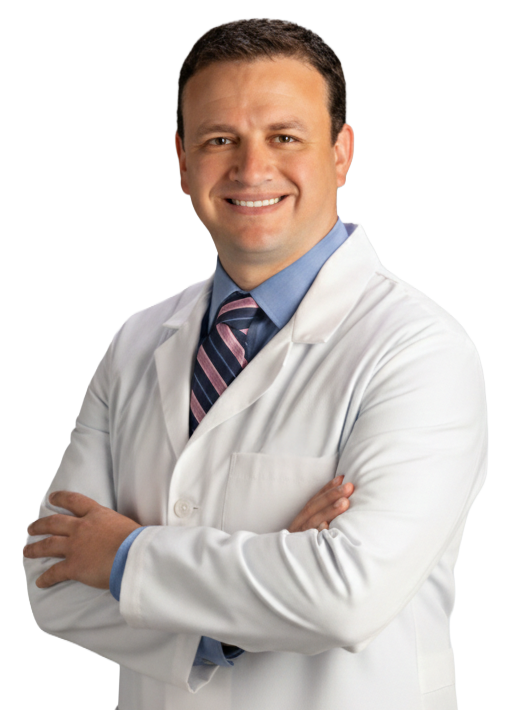
Dr. Josh Vrabec, MD, is a world-class surgeon and a fellow of the World College of Refractive Surgeons.
Why Choose Clear Vision Center for Cataract Surgery?
Customized Lens Tech: From post-operative fine-tuning with Light-Adjustable Lenses to high-performance single-focus and multifocal IOLs.
Surgeon-Led Consultations: Meet face-to-face with Dr. Vrabec before your procedure in our on-site private office suites.
Transparent Pricing: Competitive, all-inclusive pricing with 0% financing for 24 months available. No hidden fees, ever.
Do You Feel Like Cataracts Are Impacting Your Life?
It may be time for a professional evaluation of your cataracts. With his decades of experience and reputation for outstanding surgical outcomes and effective communication skills, you can trust that Dr. Vrabec is the best cataract surgeon in the metro Detroit area for providing you with a thorough and honest surgical opinion.
Clear Vision goes beyond standard cataract surgery—don’t just remove your cataract, achieve the best vision of your life.

Book a Cataract Consult
A full eye exam with advanced cornea, lens, and retina scans, plus a custom vision plan tailored to your goals.
Detailed Eye Evaluation
After confirming candidacy, we go over your unique case and the details of the procedure with you.
Procedure Day
Relax in our private suites. The actual laser treatment takes less than 10 minutes per eye.
Experience Clear Vision
Patients return to work and normal activities the very next day with a brand-new outlook on life.
Are You Ready for Cataract Surgery?
Answer a few quick questions and we'll share a preliminary recommendation and reach out with more personalized information.
(Not a medical diagnosis.)
FAQs
Frequently Asked Questions About Cataract Surgery in the Troy, Rochester, and Bloomfield Hills Area
What Are Cataracts?
Cataracts are a very common eye condition that can cause blurry vision, among many other symptoms. Inside your eye is a clear lens that focuses light onto the back of your eye so you can see. As you age, the proteins that make up the clear lens start to clump together and make the lens cloudy. The cloudy lens blocks light from reaching the back of your eye, making your vision blurry. Cataracts usually develop slowly over time. At first, you might just need more light to see things up close or have more trouble with glare while driving at night. However, as cataracts worsen, your vision might get more blurry or colors start looking faded. Eventually, you will need cataract surgery to restore your vision. Cataract surgery is a safe and effective procedure that can allow you to see clearly once again.
What are the Symptoms of Cataracts?
Common symptoms of cataracts may include: blurry vision, cloudy vision, reduced color intensity, glare or halos from oncoming traffic lights, difficulty reading, difficulty seeing road signs, or large changes in glasses prescriptions. Sometimes cataracts grow without many symptoms, which is why it is important to have your eyes checked by an eye specialist. Symptoms may vary widely between individuals, and typically worsen gradually (not suddenly) over time.
How does Laser Cataract Surgery differ from Traditional Cataract Surgery?
Traditional Cataract Surgery
In traditional cataract surgery, the surgeon uses a scalpel to make a small incision and remove the cataract. They may then break the cataract into smaller pieces with an ultrasonic device to easily rinse the cataract from the eye. After the lens is removed during your cataract surgery, the surgeon will insert a new intraocular lens (IOL) into the eye. Traditional cataract surgery may result in needing glasses after surgery.
Laser Cataract Surgery
Clear Vision Center specializes in laser cataract surgery, which uses advanced laser technology for a safe and optimal outcome. Laser cataract surgery uses state-of-the-art technology to perform most steps of the procedure with a laser instead of a scalpel or handheld tools used in traditional cataract surgery. By using a laser, your surgeon is able to perform the procedure with unparalleled safety and precision. Clear Vision Center uses a femtosecond laser for its cataract procedures with advanced technology lenses (IOL) such as the Rayner EMV advanced distance lens, and the Alcon PanOptix trifocal lens.
Benefits of Laser Cataract Surgery:
- Painless, bladeless procedure
- Fast recovery
- Increased accuracy and precision
- Reduces astigmatism and need for glasses
What Happens During Cataract Surgery?
Prior to cataract surgery, you’ll have a detailed pre-operative consultation with your surgeon. Here you will learn about the benefits and risks of the procedure, including the pros and cons of the various lens replacement options. Cataract surgery is performed as an outpatient, most commonly in our accredited, on-site, office-base procedure suite. Before your surgery we ensure you are feeling relaxed with a mild oral sedative (Valium), and numb the surface of the eye thoroughly with an eye drop. Rest assured, you will not feel pain or visualize the procedure being done. It takes about 10 minutes for the entire procedure, where Dr. Vrabec will carefully wash away the cloudy cataract lens through microscopic incisions before restoring and improving your vision with the artificial lens placement. With most cataract surgery, we correct one eye at a time in staggered fashion, between two days and two weeks apart, although exceptions can be made. Our goal is two-fold: a successful AND comfortable experience!
What Are My Vision Correction Options with Cataract Surgery?
At the Clear Vision Center, we offer three vision correction options with cataract surgery. Read more about each option below:
Distance, Midrange & Near Vision Correction
For good candidates who want the optimal combination of high-quality vision and freedom from glasses, we recommend our top vision correction option: Advanced Multi Focus. Utilizing his 25+ years of experience with advanced technology lenses, Dr Vrabec carefully evaluates the health of your eyes and recommends a custom combination of lenses uniquely tailored to each individual. For each Advanced Multi Focus candidate, we focus on three main goals: achieve highest quality of vision possible, achieve greatest freedom from glasses possible, and achieve the least visual side effects (glare, halos, starbursts) possible. After assessing all of the information available about your eye health and goals, Dr Vrabec will discuss his specific recommendation for the optimal lens combination for you at your consultation. Common lenses utilized with this option are the Alcon PanOptix lens and the RxSight light-adjustable lens (LAL). Astigmatism correction is also included. Since not every lens will work well with every patient, we firmly believe this custom approach to vision correction with cataract surgery (rather than recommending one manufacturer’s lens technology to every patient) ensures the highest possible chance of success and patient satisfaction.
Distance & Midrange Vision Correction
For those who desire HD quality distance vision and are comfortable wearing reading glasses after surgery, we recommend our Advanced Single Focus. For appropriate candidates, we utilize the advanced lens and surgical techniques such as limbal relaxing incisions (LRIs) to maximize the quality of your distance vision for optimized highway driving, high contrast sensitivity, excellent depth perception, and the least chance of visual side effects. An advanced single focus lens will expand your depth of focus to typically allow for midrange (dashboard of car) without needing glasses. Common lenses used with this vision correction package are the J&J Eyhance Toric lens and the Rayner EMV lens, which both utilized advanced optical features to improve the range of vision compared to a basic single lens. Laser technology allows us to correct any residual refractive errors caused by astigmatism or nearsightedness 2-3 months after surgery. This results in > 99% success in achieving 20/20 vision for distance, and functional reading vision, with many patients achieving even better than this. As we are aiming for laser-focussed distance vision in both eyes with this option, reading glasses are still often required with this option.
Note: The Clear Vision Center and vision correction options cannot guarantee uncorrected 20/20 vision after this or any procedure. Discuss your visual potential and our surgical success and patient satisfaction rate with your surgeon prior to the procedure at your consultation.
Does Cataract Surgery Correct Astigmatism?
Yes it can! With an advanced technology toric lens, or incisional management of astigmatism or limbal relaxing incisions (LRIs), we are able to reduce or eliminate astigmatism to non-visually significant levels. All advanced technology lenses such as PanOptix, Vivity, Eyhance Toric, and the Light-Adjustable Lens can also correct astigmatism in addition to their ability to correct distance and near vision.
Does Cataract Surgery Hurt?
In short, the answer is no! Cataract surgery is performed under something called topical anesthesia. Topical anesthesia means that we give you a very light sedation (typically a low-dose of Valium), and numb the surface of the eye with eye drops. In fact, these are the same eye drops you sometimes receive in the eye clinic as part of your routine exam! The combination of Valium and numbing eye drops means that we can remove the cataract painlessly. The incisions are so tiny, they can only be made while your surgeon is working under the microscope, and will never be visible to you or others aside from your eye doctor. During the rest of the procedure, you remain in a very content, relaxed state, and all you will notice are some bright, colored lights, some funny sounds coming from our cataract-removing ultrasound machine (the phaco), and the calming voice of Dr. Vrabec telling you that things are moving along nicely.
What is the Recovery Time with Cataract Surgery?
After your surgery is over, the eye is typically quite comfortable, although some patients notice irritation, dryness, or watering of the eye for 3-4 hours after the procedure. In those cases, we recommend heading home for a short nap, which typically alleviates those symptoms quickly. The vast majority of patients feel that the eye is back to normal within 24-48 hours, although some will experience temporary dryness of the eyes for 2-4 weeks after surgery.
Does Cataract Surgery Need to be Repeated?
Most likely, the answer is no. Once the cloudy cataract lens has been removed, it does not come back. The new artificial lens is designed to stay with you and perform its job the rest of your life! This is why we remind patients to make a careful choice about what lens (and visual lifestyle) they are looking for in the decades to come. Despite a high success rate, less than 1% of patients heal differently than “normal” and are left with under-corrected or over-corrected vision. In many cases, we are able to correct these minor imperfections with glasses, contacts, or laser vision correction (LASIK), but in more significant corrective errors, we may need to re-align or even exchange the lens for a different size. If performed within the first two months after your original cataract surgery, this can be done as safely and comfortably as your original procedure in the office.
One likely occurance at some point after cataract surgery (regardless of the lens type chosen), is the development of a secondary cataract or posterior capsule opacification (PCO). This may cause some blurry vision and require an in-clinic touch up procedure called a YAG laser capsulotomy. Nearly 2/3 of all cataract patients will need YAG laser capsulotomy at some point following cataract surgery, and it is a procedure that is covered by your insurance.
Can you have Cataract Surgery after LASIK?
Yes! Traditionally, having cataract surgery after LASIK can create lens prediction problems for the surgeon, leading to a higher rate of refractive surprises (under or over-correction of vision with the new artificial lens). However, with advanced pre-operative measurements, AI-based lens calculation formulas, and the advent of the light-adjustable lens (RxLAL), we are more precise than ever with our visual outcomes in patients whom have had previous LASIK. If you were happy with the glasses-free benefits of LASIK in the past and now need cataract surgery, chances are we have a solution for you! Since every patient is different, your specific lens options will be reviewed with you after your testing has been reviewed by our eye doctors.
What is a Secondary Cataract?
A secondary cataract or posterior capsule opacification (PCO) occurs in >50% of patients undergoing cataract surgery. This occurs when a thin film of scar tissue develops behind the new lens implant, and begins to obstruct vision. The timeline for development of a PCO can vary from just a few months to many years. In mild cases, a PCO is asymptomatic and can be safely observed. However, if the PCO is significantly impacting vision, it can safely and painlessly be corrected with an in-office laser procedure called a YAG capsulotomy. If this happens to you, don’t worry! It is very common, covered by insurance like regular cataract surgery, and we can help you correct this right in our office.
Is Cataract Surgery Covered by Insurance?
In most cases, yes! Provided that you have a visually-significant cataract as determined by your eye surgeon, most insurance companies will cover basic cataract surgery: removal of the cloudy lens and replacement with a basic, single focus lens (CPT code 66984). However, basic cataract surgery does not include any vision correction (reducing or eliminating the need for glasses). In short, Medicare and Insurance companies are perfectly content with you wearing glasses after cataract surgery, and vision correciton after cataract surgery it is not as simple as using one lens vs another to achieve vision correction. Additional testing, techniques, and tools (not to mention a highly experienced surgeon in vision correction) are required.
If you wish to not wear glasses most/all the time after surgery, even if you don’t currently wear glasses, then vision correction services will be required. While many people can function reasonably with a basic lens, every eye is different, and you may have certain factors such as astigmatism that will require correction to see without glasses. If seeing without glasses after cataract surgery is improtant to you, then you may wish to consider one of our vision correction packages: Advanced Multi-focus with the PanOptix or Light-adjustable lens, or Advanced Single Focus with the Eyhance or Rayner EMV lens. Correcting your vision beyond the limitations of a basic monofocal lens will require additional out-of-pocket costs, but most of our patients are happy with their decision to reduce or eliminate glasses for years to come. We will review these costs with you and provide a fully transparent quote to you of the costs involved prior to your procedure.
Where can I get Laser Cataract Surgery in Detroit?
At Clear Vision Center, we provide advanced laser cataract surgery for patients in the Detroit area seeking the latest in surgical precision. While cataract surgery has evolved significantly over the past 40 years, the introduction of femtosecond laser technology in the last decade has revolutionized the procedure. This "fast pulse" laser replaces many manual steps, allowing for highly precise incisions, gentle cataract removal, and incredibly accurate Intraocular Lens (IOL) placement. Beyond simply removing the cataract, this technology can actively improve your vision by using Limbal Relaxing Incisions (LRIs) to correct up to 1 D of astigmatism.
We believe in the benefits of both computer-guided manual surgery and laser-assisted procedures as pathways to achieving the safest, most effective results. During your consultation, we will provide a personalized evaluation to discuss the specific pros and cons of each approach and determine if laser cataract surgery is the best fit for your visual goals.
A Personalized Approach to Cataract Surgery in Michigan.
Our philosophy is to give every patient who is a candidate the option to choose to regain control of their vision and see the world without glasses or contacts after cataract surgery. With our extensive screening process, advanced lens technology, and fully accredited office-based surgery center, we are the leaders for cataract surgery in Rochester Hills, Troy and Bloomfield areas.
While some dream to be able to drive the scenic route without fussing with glasses, others want to play a match of golf or pickle ball without having encumbering eyewear getting in the way. Whatever your dream activity may be, we are here to help you achieve your goals of living life as it was meant to be – without glasses or contacts!

Why Choose Clear Vision Center for Cataract Surgery.
- Quad-A accredited office-based surgery center.
- Short wait times for surgery: typically 1-3 weeks.
- Experienced, Board-certified surgeon dedicated to exceptional results and patient satisfaction.
- 5 Star Google Rating & “Top Docs” Annually Since 2014.
- Custom vision correction options to get out of glasses after surgery, including multifocus, extended depth of focus, and light-adjustable lenses.
- No IV or fasting required before procedure.
- Enhanced precision with advanced screening and astigmatism correction.
- Refractive enhancements included with vision-correction options.
- Friendly, helpful staff and family-like atmosphere.
- Accepts most medical insurances, including Medicare.


Discover the Freedom of Clear Vision
Real Testimonials
Don’t take it from us. All of these testimonials are 100% honest and unsolicited.


“Totally Amazing & Unbelievable.”
"Totally amazing & unbelievable is how I felt the day after eye surgery, especially when the office measured my eye sight as 20/20. I could hardly wait to schedule surgery for my other eye. No more glasses or contacts. I was able to work on my computer the same day, right after surgery. My vision is now perfect, colors more vivid. Dr Vrabec was the second eye surgeon that I visited regarding my cataracts. He removed all my concerns by explaining throughly and clearly each process. We discussed my options and I opted for the PanOptix Lens implant. The surgery was totally without discomfort during or after surgery. Dr. Vrabec is an excellent eye surgeon with a compassionate demeanor. His personal follow up is reflective of the pride he takes in helping his patients improve their vision.”"
— RG
“Everything has become bright and clear.”
"Before my cataract surgery, I was very nervous. Dr. Vrabec and his team made me feel very relaxed and comfortable. Dr. Vrabec’s reassuring manner and clear explanation of the procedure put me at ease. The procedure for my eyes has had the most wonderful results. Everything has become bright and clear, even on the darkest and dreariest of days. I see things in nature I have not noticed in a long time. The color of the leaves, the dew on the branches, even the sunsets look more intense with their spectacular light show of colors. I can now drive without any problem of the oncoming light. I felt like I was just a number with my previous ophthalmologist, but Dr. Vrabec made me feel like I am important to him as a patient."
— DH
“The overall experience was professional and courteous.”
"My husband had cataract surgery by Dr. Vrabec. The overall experience was professional and courteous. The staff is very friendly and engaging. Never a long wait for anything. The surgery itself was painless, quick, and without complications. Just what you want in this type of surgery. He is healing well and already enjoying the improved vision, he no longer needs readers for reading the newspaper or books! Highly recommend Dr. Vrabec and Michigan Ophthalmology."
— HG
Cataract Surgery Lens Options
Discover which advanced lens technology best fits your lifestyle and vision goals after cataract surgery.
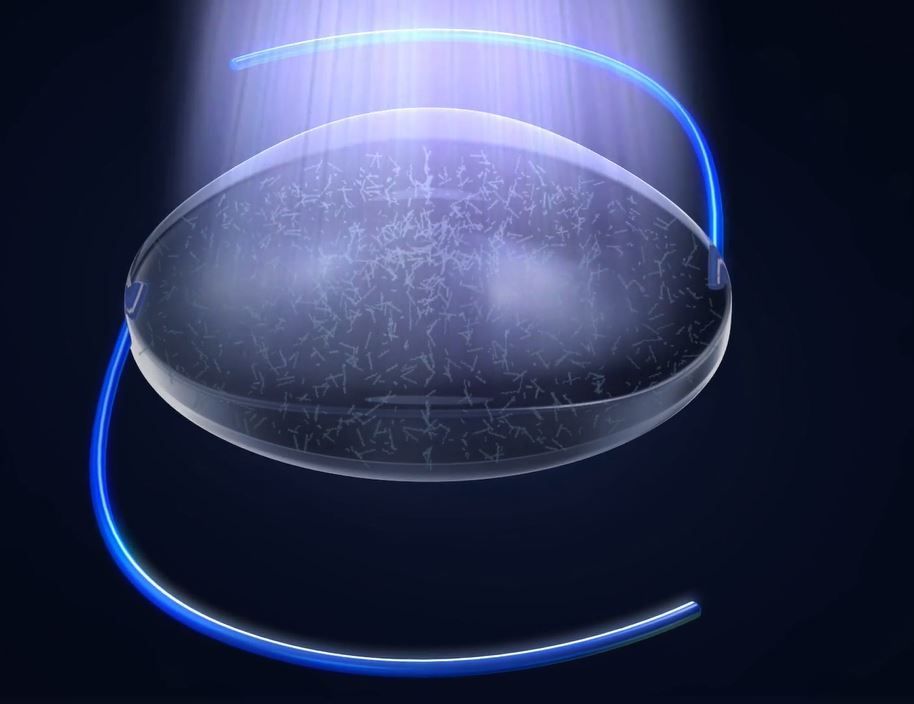
Light-Adjustable Lens
A light-adjustable lens allows you to customize your vision after the procedure. We use a revolutionary lens implant that can be adjusted or fine-tuned to your liking in the weeks following surgery. This allows us to correct your astigmatism after the eye has healed, and with blended vision we can reduce or eliminate your dependence on glasses.
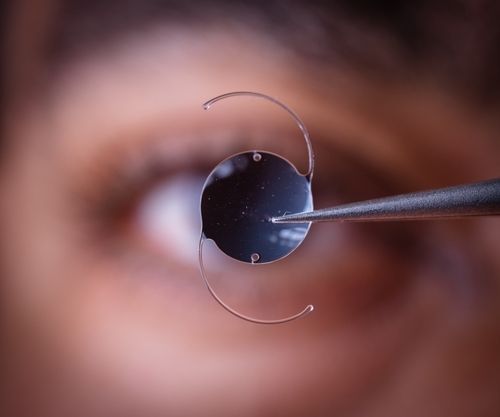
Advanced Single Focus IOL
With skilled selection and placement by an experienced surgeon, an advanced single focus lens goes beyond traditional (basic) lens optics to provide not only higher quality distance vision, but also corrects astigmatism and provides extended depth of focus. Two examples of this advanced technology are the Rayner EMV lens and the J&J Eyhance toric lens, which expand the traditional range of focus to include distance & midrange vision (computer), and in many cases moderate sized near print. (Most will still require reading glasses for fine print with this option). The improved distance quality and increased depth of focus without creating nightime driving glare and halos make this upgrade a very popular option for our patients.
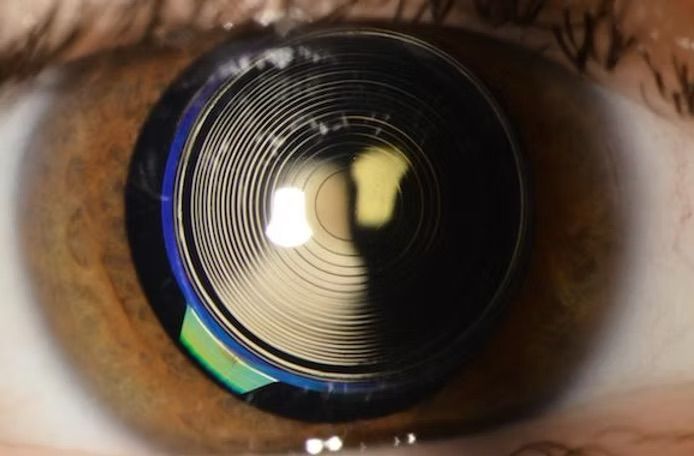
Advanced Multifocus IOL
With skilled selection and placement by an experienced surgeon, a multifocus IOL corrects distance, intermediate (computer), and near vision. It also corrects mild-moderate degrees of astigmatism. Patients may in some cases require mild readers for very tiny print, particularly in dim lighting conditions. Nighttime glare and halos are a possibility, but in most cases do not impact your ability to drive at night. Examples of this lens are the J&J Odyssey Multifocal, Alcon PanOptix, and Alcon Vivity IOLs, B&L ENVY.
