

Top LASIK Alternatives Explained: EVO ICL, SMILE & RLE

Dr. Joshua Vrabec, MD • May 2, 2025

Share this article

Discover Your Options Beyond LASIK for Vision Correction

If you’re tired of relying on glasses or contacts but want an alternative to traditional LASIK, you’re not alone. While LASIK has helped millions, it’s not the best fit for everyone. Thankfully, advanced LASIK alternatives like EVO ICL, SMILE, and Refractive Lens Exchange (RLE) are changing the game. Each of these advanced vision correction options is tailored to different vision needs, offering clear sight without the drawbacks some experience with LASIK.

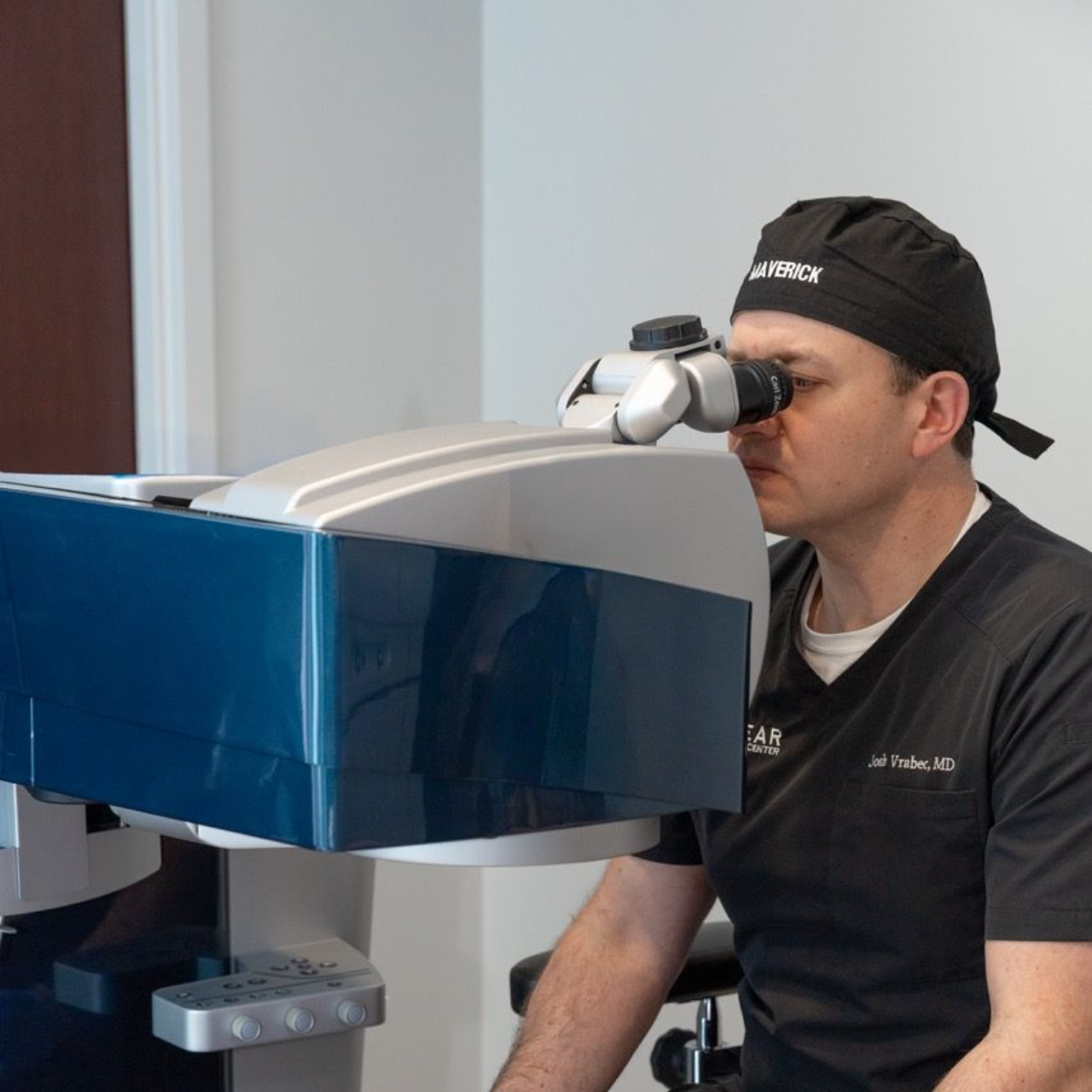
Technician using a diagnostic eye scanner in a clinical setting

This guide explores who qualifies for each, the key benefits, and how long it takes to recover.

  • What Is EVO ICL and Is It Better Than LASIK?

    EVO ICL (Implantable Collamer Lens) is often called the “implantable contact lens.” It’s a biocompatible lens implanted behind the iris and in front of your natural lens. Unlike LASIK, it doesn’t reshape the cornea and can be removed if needed.


    Best Candidates for EVO ICL:

    • Moderate to severe myopia (nearsightedness)
    • Patients with thin corneas unsuitable for LASIK
    • Ages 21–45 with stable prescriptions
    • Those looking for a reversible option

    Benefits:

    • High-definition vision, even at night
    • No corneal tissue removed
    • Lower risk of dry eye issues
    • Reversible and upgradeable
    • Built-in UV protection

    Recovery Time:

    Most patients return to normal activities in 1–2 days with improved vision often noticeable within hours.


  • Is SMILE Eye Surgery Worth It?

    SMILE (Small Incision Lenticule Extraction) is a minimally invasive laser procedure that corrects vision through a tiny opening. Instead of creating a corneal flap like LASIK, it removes a small piece of corneal tissue (lenticule) to reshape the eye.


    Best Candidates for SMILE:

    • Mild to moderate myopia with/without astigmatism
    • Active lifestyles (e.g., athletes)
    • Ages 20+ with stable prescriptions
    • Concerned about dry eyes post-surgery

    Benefits:

    • No flap = no flap complications
    • Reduced risk of dry eyes
    • Retains cornea strength
    • Single-step laser process

    Recovery Time:

    Vision stabilizes within a few weeks. Many resume regular activities in just 1–2 days with little discomfort.


Permanent Vision Correction After 40: RLE Explained

Refractive Lens Exchange (RLE) is similar to cataract surgery. Also known as Custom Lens Replacement (CLR), it replaces your eye’s dysfunctional aging lens with an advanced intraocular lens (IOL), correcting vision long-term and preventing future cataracts.


Best Candidates for RLE:

  • Age 40+ with presbyopia (age-related near vision loss)
  • High hyperopia (farsightedness)
  • Want to eliminate bifocals or reading glasses
  • Not candidates for laser-based procedures


Benefits:

  • No cataracts later in life
  • Permanent correction for distance, intermediate, and near vision
  • Minimal chance of regression
  • Can address both nearsightedness and farsightedness, as well as astigmatism


Recovery Time:

Most people return to daily routines within a week. Vision typically sharpens in 7–14 days. This process may be longer if a light-adjustable lens is recommended, due to the increased customization of that option.


LASIK Alternatives: EVO ICL vs. SMILE vs. RLE: Which Is Right for You?

Factor EVO ICL SMILE RLE
Best For Moderate-severe myopia Mild-moderate myopia/astigmatism Over 40, presbyopia, hyperopia
Reversible Yes No No
Dry Eye Risk Minimal Very low Minimal
Corneal Thickness Not an issue Requires healthy cornea Not an issue
Surgery Type Lens implant Laser Lens replacement

Common Patient Questions (FAQs)

  • What’s the best LASIK alternative for dry eyes?

    SMILE is typically best for patients with dry eyes due to its minimally invasive approach and no corneal flap.

  • Can I get permanent vision correction if I’m over 40?

    Yes! RLE is designed for patients over 40 who are developing presbyopia or cataracts.

  • Is EVO ICL safer than LASIK?

    For patients with high myopia or thin corneas, EVO ICL is often the safer, more stable choice.

Ready to Explore Your Vision Freedom?

There’s no one-size-fits-all solution when it comes to vision correction. That’s why we offer customized consultations to determine whether EVO ICL, SMILE, or RLE is your best fit.


Schedule your personalized consultation today — your future without glasses or contacts starts here at Clear Vision Center, Michigan’s Leader in Custom Vision Solutions.


Recent Posts

Smiling couple hugging outdoors, with a cloudy sky in the background.
By Dr. Joshua Vrabec, MD April 21, 2026
Think your vision changes are just aging Learn the early signs of cataracts and when it may be time to consider treatment or surgery.

Two people preparing food in a modern kitchen, one pouring ingredients into a mixer while holding a cabbage
By Dr. Joshua Vrabec, MD April 21, 2026
Thinking about LASIK for years Learn what holds most people back plus candidacy cost and what to expect from modern vision correction.
Before and after image of a persons vision while driving with Cataracts
By Dr. Joshua Vrabec, MD February 23, 2026
It’s a question we hear often at Clear Vision Center, and a really important one. Not everyone with cataracts needs surgery immediately, or even at all. Recognizing when it’s time to think about surgery can help you make the best choice for your vision and daily life. What Are Cataracts, Anyway?
